Your first 90 days on a GLP-1
Week by week: what the starter dose actually feels like, when appetite changes show up, when your provider will titrate, and the three weeks most people find hardest.
Hormones · Women
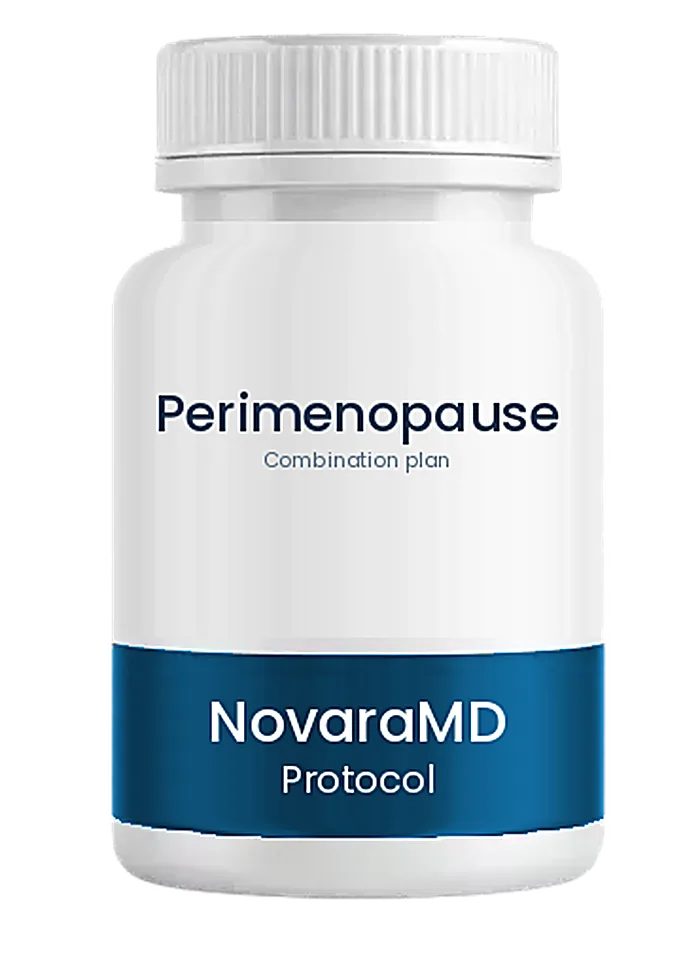
Hormone therapy for perimenopause and menopause, dosed to symptoms and labs rather than to a protocol you were handed on the way out the door.
Your consult is free. We will not prescribe this — or anything — before a clinician has spoken with you and reviewed your bloodwork. Final cost depends on the form and dose prescribed.
Mechanism
As ovarian function declines, falling estrogen drives hot flushes, night sweats, sleep disruption, vaginal dryness, mood change and accelerated bone loss.
Estrogen therapy addresses those directly. Progesterone is added for anyone with a uterus to protect the endometrium — this is not optional.
Route matters. Transdermal estrogen carries a lower clot risk than oral, which is often the deciding factor.

Protocol
A typical schedule. Yours is set by your clinician after your labs come back.
| Phase | Weeks | Typical | Purpose |
|---|---|---|---|
| Baseline | Week 0 | Labs and history | Including clot and cancer risk review. |
| Start | 1–8 | Lowest effective dose | Transdermal preferred where clot risk exists. |
| Review | 8–12 | Symptom check and adjust | Dose titrated to symptom control. |
| Maintenance | 3+ months | Reviewed annually | Ongoing risk-benefit reassessment. |
What to expect
Hot flushes and night sweats usually respond first.
Often follow once night sweats settle.
Tissue changes take longer.
A long-term benefit, not something you feel.

Evidence
Hormone therapy is the most effective available treatment for vasomotor symptoms of menopause and reduces the rate of bone loss.
Risk depends heavily on age, time since menopause, route and personal history. This is a genuinely individual decision, not a blanket yes or no.
Your consult and labs screen for all of the following.
FAQ
For most healthy women within ten years of menopause onset, benefits generally outweigh risks. Risk rises with age, time since menopause and personal history of clots or hormone-sensitive cancer. It is an individual assessment, not a blanket answer.
If you have a uterus, yes. Unopposed estrogen increases endometrial cancer risk. Progesterone protects the uterine lining and is not optional in that situation.
Hot flushes and night sweats often improve within two to four weeks. Sleep and mood typically follow. Vaginal and urinary symptoms can take up to three months.
Book a one-to-one consult with the clinical team. We talk through your goals, order the bloodwork that matters, and build a plan from what we find.
Licensed providers · 100% online
Medical weight loss, hormone therapy, longevity protocols and lab testing — prescribed by licensed clinicians, delivered to your door. No waiting rooms, no insurance runaround.
 10,000+ patients served on our clinical platform
Why NovaraMD
Almost every online clinic hands you a questionnaire, matches you to one drug and ships it. They never capture your full biology — so they can’t know what will actually work for you.
We start the other way around. Your first step is a one-on-one visit with a member of our clinical team to talk through what you’re trying to change. Then we test, build the plan around your numbers, and stay with you through the whole journey.
What we treat
Not a catalog of everything. Three areas we run properly — each one backed by labs, a real clinician and dose adjustments over time.
GLP-1 and dual-agonist therapy, titrated to you, with muscle protection and metabolic labs built in.
Explore weight lossTestosterone, fertility, desire and intimacy — for men and women, dosed off bloodwork rather than a symptom quiz.
Explore hormonesCellular energy, recovery, sleep and cognition — protocols you re-test, not supplements you hope about.
Explore longevity01 · Weight & metabolic health
We treat the metabolism underneath it — appetite signalling, insulin sensitivity, sleep and muscle retention. That’s why the program pairs medication with labs, protein targets and check-ins instead of shipping a pen and disappearing.
Free tool
Move the sliders for an estimate based on published clinical-trial averages. Not a diagnosis, not a prescription — a starting point for a conversation.
Estimated at 72 weeks
160 lb
Estimates use average total body-weight reduction reported in published GLP-1 trials (SURMOUNT-1, STEP-1) and typical lifestyle-intervention results. Individual results vary widely and depend on dose, adherence, diet, activity and medical history. This tool is not medical advice and does not guarantee any outcome. Eligibility is determined by a licensed provider after a full evaluation.
Curve shape follows the mean weight-loss trajectory reported in the pivotal trials (SURMOUNT-1 for tirzepatide, STEP-1 for semaglutide) applied to your starting weight, with the early plateau during dose titration. Trial averages, not a prediction for you. Your provider sets the dose and the pace.
02 · Hormones & sexual health
Low energy, low drive and stalled progress all have overlapping causes. We run the full panel first — total and free testosterone, estradiol, SHBG, LH/FSH, thyroid, prolactin — then treat what the numbers and your symptoms agree on, and re-test at six to eight weeks.
Consultations are 100% private, and every plan is reviewed by a clinician licensed in your state.
03 · Longevity & performance
The longevity space is full of things people take on faith. We only run protocols with a plausible mechanism and a marker we can actually follow — and we tell you plainly where the evidence is thin.
NAD+ InjectionCellular energy, weeklyPrice on consult
NAD+ Nasal SprayNeedle-free daily dosingPrice on consult
SermorelinSleep, repair, compositionPrice on consult
Methylene BlueFocus and mitochondriaPrice on consult
GlutathioneMaster antioxidantPrice on consult
B12 InjectionEnergy and methylationPrice on consult
RapamycinmTOR, monitored dosingPrice on consult
4-in-1 Hair RestorationTopical compound, nightlyfrom $42/mo
Bloodwork & diagnostics
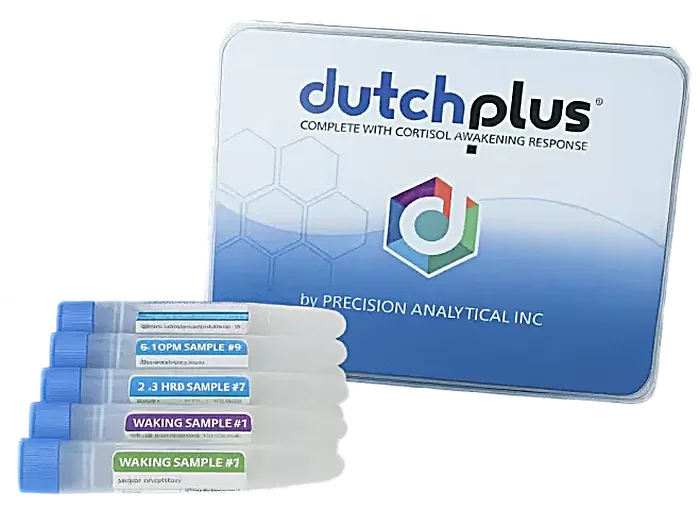
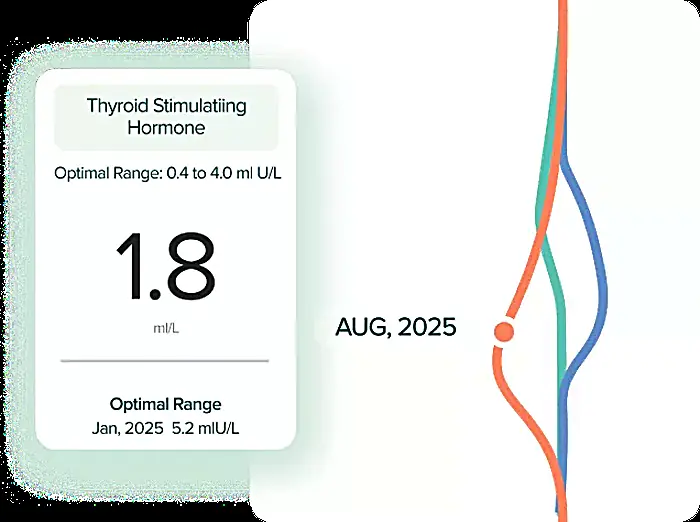
Optimization without data is just expensive guessing. Establish your baseline, then track what actually moves — hormones, metabolic markers, inflammation, fertility.
How it works
A real conversation — about twenty minutes by video or phone — about your goals, your history and what you’ve already tried. Free, and no obligation.
A licensed provider reviews everything, screens for contraindications, and prescribes only if it’s appropriate for you.
Shipped free from a licensed pharmacy in discreet packaging. Message your care team any day; doses adjust as you progress.
Resources
Plain-English guides on GLP-1 therapy, nutrition, hormones and recovery — written for patients, not for search engines.
Week by week: what the starter dose actually feels like, when appetite changes show up, when your provider will titrate, and the three weeks most people find hardest.
A four-week plan with protein targets by body weight, meal timing around your injection day, the foods that reliably trigger nausea, and how to hit your numbers when you have no appetite at all.
Patient stories
“Lost 27 lbs in 12 weeks. I’ve struggled with food noise my entire life, but for the first time, I feel in control. This was the missing piece of the puzzle for my health journey.”
“I’ve gained 8 lbs of lean mass and dropped my body fat by 5% in just four months. I feel stronger, more motivated, and more like myself again.”
Testimonials from real NovaraMD patients. Individual results vary and are not typical or guaranteed. Keep signed consent on file for every published testimonial.
FAQ
Answer a few questions and a licensed provider will tell you what’s appropriate for you — including when the honest answer is that treatment isn’t.